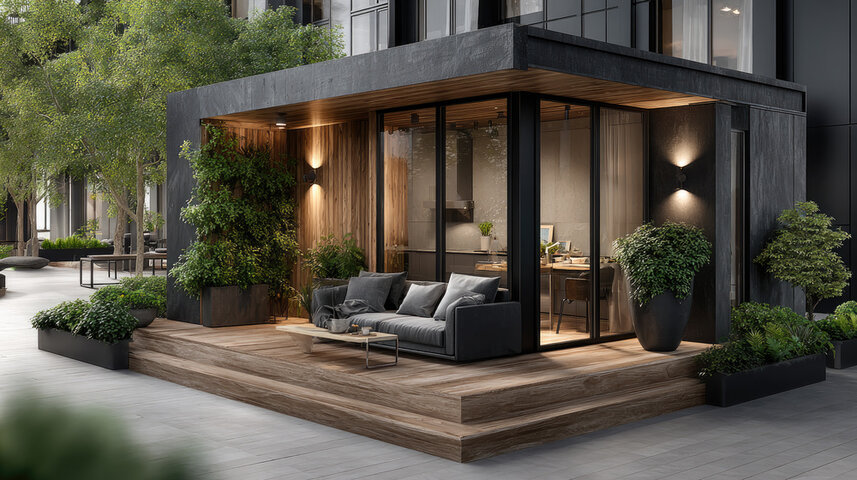
From modern offices and garden rooms to accommodation, gyms and wellness spaces, modular construction offers a versatile alternative to traditional building methods. Advances in design, manufacturing and materials are also making modular buildings more attractive for a wide range of applications.
What Is Modular Building?
Modular building is a construction method where individual building modules or components are manufactured in a controlled environment before being transported and assembled at their final location.
Instead of completing every stage of construction on-site, much of the work can be carried out in a factory environment. This can help improve manufacturing precision, reduce weather-related delays and create a more predictable construction process.
Modular buildings can also be designed for different purposes, allowing customers to create spaces that suit their specific requirements.
Why Is Modular Building Becoming More Popular?
One of the main reasons for the growing popularity of modular building is flexibility.
People's needs change over time. A homeowner may need a home office today, a guest room tomorrow or a dedicated wellness space in the future. Businesses may need additional offices, meeting rooms or staff facilities without undertaking a major permanent construction project.
Modular buildings can provide adaptable spaces that can be designed around changing requirements.
Faster and More Efficient Construction
Traditional construction can take considerable time, particularly when projects involve multiple trades and unpredictable weather conditions.
With modular building, many components can be manufactured before they arrive at the final site. Site preparation and module production can often take place at the same time, helping to streamline the overall process.
The controlled manufacturing environment can also support consistent quality and accurate construction.
The Benefits of Modular Steel Construction
Another important development is the increasing use of modular steel construction.
Steel provides a strong and durable structural framework that is well suited to modular construction. Structural components can be manufactured with precision before being assembled into a complete building.
Modular steel construction can also support modern architectural designs, large windows, open-plan interiors and a variety of building configurations.
For customers looking for a long-lasting and contemporary building solution, steel can provide an excellent combination of strength, flexibility and durability.
Modular Buildings for Different Uses
One of the biggest advantages of modular building is the wide range of possible applications.
Modular buildings can be used as:
- Home offices
- Garden offices
- Guest accommodation
- Additional living spaces
- Business offices
- Meeting rooms
- Studios
- Gyms
- Wellness spaces
- Hobby rooms
- Staff facilities
This versatility makes modular construction suitable for both residential and commercial projects.
Modular Building and Outdoor Wellness
The popularity of wellness spaces is also creating new opportunities for modular construction.
A sauna cube, for example, can provide a compact and stylish wellness space in a garden or outdoor area. Its modular design can make it easier to create a dedicated sauna without requiring a large extension to the main property.
A sauna cube can be combined with other outdoor features, such as a garden gym, relaxation area or outdoor shower, creating a complete private wellness environment.
A More Flexible Approach to Space
Modern lifestyles require spaces that can adapt. Working from home, hybrid working, wellness and additional accommodation have all increased the demand for flexible buildings.
This is where modular building can offer a significant advantage. Instead of viewing a building as something that must remain unchanged for decades, modular construction allows spaces to be designed with flexibility in mind.
Whether it is a compact garden office or a larger modular building for commercial use, the same principle applies: create a practical space that meets today's needs while allowing for future possibilities.
Modern Design and Customisation
Modular buildings are no longer limited to simple temporary structures.
Modern modular building solutions can feature contemporary architecture, high-quality finishes, insulation, efficient windows, modern heating systems and customised interiors.
Customers can often choose layouts, materials, colours, finishes and additional features to create a building that fits naturally into its surroundings.
This combination of practical construction and modern design is one of the reasons modular buildings are becoming increasingly attractive.
Is Modular Building the Future?
As demand grows for flexible, efficient and adaptable spaces, modular construction is likely to play an increasingly important role in the future of building.
The combination of modular steel construction, modern manufacturing techniques and customisable designs allows modular buildings to meet a wide variety of needs.
From additional living space and home offices to specialist spaces such as a sauna cube, modular solutions can provide practical ways to make better use of available space.
Conclusion
The growing popularity of modular building reflects a wider demand for construction that is flexible, efficient and adaptable.
With the advantages of controlled manufacturing, modern design and durable modular steel construction, modular buildings can provide solutions for homeowners, businesses and organisations looking for high-quality additional space.
At the same time, specialised modular products such as a sauna cube demonstrate how modular construction can extend beyond traditional buildings and create personalised spaces for work, relaxation and wellness.
As building needs continue to evolve, modular construction offers an exciting and flexible approach to creating the spaces of the future.