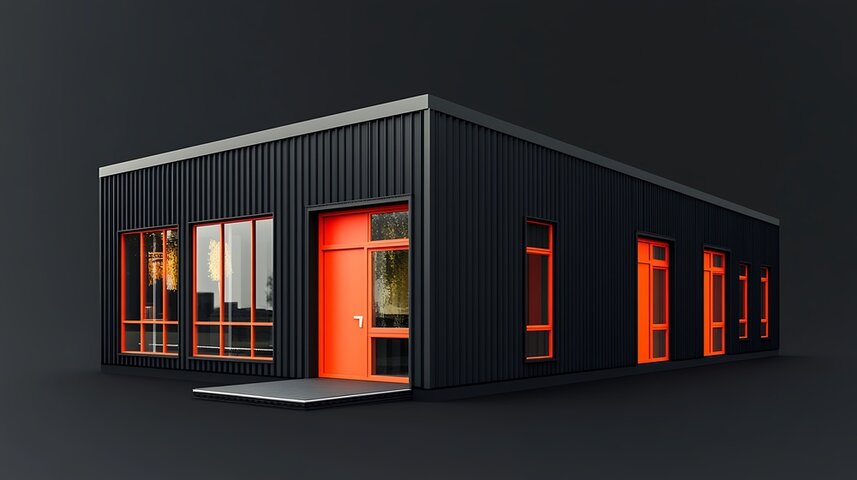
Whether you own a container home, operate a modular accommodation unit, or manage sanitary modules for a commercial project, regular maintenance is essential. Proper care can help protect the structure, maintain comfort, extend the lifespan of components, and prevent small issues from becoming expensive repairs.
Here are some practical maintenance tips for keeping container homes and sanitary modules in good condition.
1. Inspect the Exterior Regularly
The exterior of a container home or sanitary module is exposed to changing weather conditions throughout the year. Rain, wind, sunlight, humidity, and temperature changes can gradually affect exterior surfaces.
Carry out regular visual inspections of:
- Exterior walls
- Roof surfaces
- Doors and frames
- Windows
- Sealants
- Cladding
- Drainage systems
- External fixtures
Look for signs of corrosion, cracks, loose fittings, water staining, or damaged protective coatings.
Early identification of problems can help prevent more serious structural or water-related damage.
2. Check for Rust and Corrosion
Container structures are commonly manufactured using steel, which means corrosion prevention is an important part of maintenance.
Inspect areas where water may collect, particularly around joints, corners, roof edges, doors, and drainage points.
If surface rust is discovered, it should be addressed promptly. Depending on the severity, maintenance may include cleaning, treating the affected area, and applying an appropriate protective coating.
Regular inspections are especially important for buildings located in coastal or particularly humid environments.
3. Maintain the Roof and Drainage
A well-maintained roof is essential for protecting any building.
Check the roof periodically for damage, standing water, blocked drainage points, or deteriorating sealants. Gutters and downpipes should also be kept clear of leaves, dirt, and debris.
Poor drainage can allow water to accumulate around the building, increasing the risk of leaks and moisture damage.
For modular building projects, drainage should be considered as part of the overall maintenance programme rather than treated as an occasional task.
4. Inspect Doors and Windows
Doors and windows are important for security, ventilation, insulation, and weather protection.
Check that doors close properly and that hinges, handles, locks, and seals remain in good condition.
Windows should also be inspected for damaged seals, cracks, condensation, or water penetration.
Replacing worn seals early can help maintain energy efficiency and reduce the risk of moisture entering the building.
5. Check Plumbing Systems in Sanitary Modules
Sanitary modules require particular attention because they contain multiple plumbing fixtures and water connections.
Regularly inspect:
- Toilets
- Sinks
- Showers
- Taps
- Pipes
- Waste outlets
- Water connections
- Sealants around fixtures
Look for leaks, slow drainage, unusual smells, or signs of water damage.
Even a small leak can eventually cause significant problems if it is not addressed.
Regular plumbing inspections are therefore particularly important for sanitary modules used in busy commercial, residential, or public environments.
6. Clean and Maintain Sanitary Fixtures
Good cleaning practices are essential for maintaining sanitary modules.
Toilets, sinks, showers, floors, walls, and other surfaces should be cleaned according to the manufacturer's recommendations.
Avoid using cleaning products that could damage specific surfaces, sealants, coatings, or fixtures.
Regular cleaning does more than improve appearance. It can also help prevent the build-up of dirt, mould, limescale, and bacteria.
7. Monitor Ventilation and Humidity
Moisture management is particularly important in bathrooms and sanitary modules.
Poor ventilation can lead to condensation, mould growth, unpleasant odours, and deterioration of interior finishes.
Check that ventilation systems are operating correctly and that air vents are not blocked.
Where applicable, clean ventilation filters and components according to the manufacturer's maintenance schedule.
Good ventilation can help maintain a healthier and more comfortable interior environment.
8. Inspect Insulation
Insulation plays an important role in maintaining comfortable temperatures inside container homes and modular homes.
Over time, moisture, damage, or construction changes can affect insulation performance.
Look for signs such as unusual cold spots, condensation, dampness, or inconsistent indoor temperatures.
Maintaining the insulation and building envelope can help improve energy efficiency and occupant comfort.
9. Look After Interior Finishes
Interior surfaces in modular homes and container buildings should be inspected regularly.
Check walls, ceilings, floors, cabinetry, and other finishes for:
- Cracks
- Water stains
- Peeling finishes
- Loose panels
- Damaged flooring
- Mould
- General wear and tear
Small cosmetic problems are often easier and less expensive to repair when identified early.
10. Maintain Electrical Systems Safely
Electrical systems should be checked periodically to ensure that switches, sockets, lighting, and other components remain in good condition.
Look for damaged cables, loose sockets, flickering lights, unusual smells, or other warning signs.
Electrical repairs should be carried out by qualified professionals. Avoid attempting complex electrical work yourself.
In a modular building, electrical systems are integrated into the structure, so any significant alterations should be carefully planned to avoid damaging walls, insulation, or other components.
11. Check the Foundations and Ground Conditions
Although modular buildings can be manufactured off-site, the condition of the site remains important.
Inspect accessible areas around the foundations for:
- Cracks
- Movement
- Standing water
- Drainage problems
- Erosion
- Uneven ground
Changes in the ground or foundation condition can affect doors, windows, connections, and the overall alignment of the building.
Any significant structural movement should be assessed by an appropriately qualified professional.
12. Keep a Maintenance Schedule
One of the easiest ways to maintain a container home or sanitary module is to create a simple maintenance schedule.
A useful schedule can include:
Monthly
- Check for visible leaks
- Inspect plumbing fixtures
- Check ventilation
- Look for signs of moisture
Every 3–6 months
- Inspect doors and windows
- Clean drainage systems
- Check exterior surfaces
- Inspect sealants and joints
Annually
- Conduct a more detailed structural inspection
- Check roofing and drainage
- Review electrical systems
- Inspect insulation and building finishes
- Schedule professional servicing where required
The exact schedule should always be adapted to the building, location, materials, and manufacturer's recommendations.
Maintenance Benefits for Modular Homes
Regular maintenance can provide several long-term benefits for modular homes.
Longer Lifespan
Keeping structural and mechanical components in good condition can help extend the useful life of the building.
Lower Repair Costs
Finding small problems early can reduce the likelihood of major repairs later.
Better Energy Efficiency
Maintaining insulation, doors, windows, and ventilation can help improve energy performance.
Improved Comfort
A well-maintained building is more likely to remain comfortable, dry, and functional throughout the year.
Better Appearance
Regular cleaning and exterior maintenance help preserve the appearance and value of the property.
Why Maintenance Matters in Modular Building
There is sometimes a misconception that modular building requires less maintenance than traditional construction.
While modular construction can offer many advantages, modular buildings still require regular care. Plumbing, electrical systems, roofing, insulation, finishes, doors, windows, and structural components all need appropriate maintenance.
The advantage is that many modular systems are designed and manufactured using controlled processes and standardised components, which can make inspections and certain repairs more straightforward.
Following the manufacturer's maintenance recommendations is one of the best ways to protect your investment.
Conclusion
Container homes, modular homes, and sanitary modules can provide practical and flexible solutions for residential and commercial applications. However, like any type of building, they require regular maintenance to remain safe, comfortable, and functional.
Routine inspections of the exterior, roof, drainage, plumbing, ventilation, insulation, electrical systems, and interior finishes can help identify problems before they become major issues.
Whether you are maintaining a single container home or managing multiple sanitary modules across a commercial development, a proactive maintenance programme can help extend the lifespan of your investment.
With regular care and professional servicing where necessary, modular building solutions can remain reliable, efficient, and comfortable for many years.