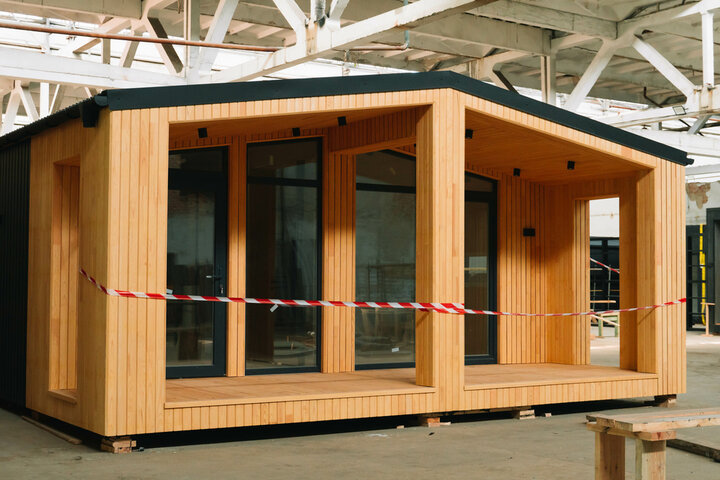
By combining advanced manufacturing techniques with efficient construction methods, prefab homes offer homeowners and developers a faster, more cost-effective alternative to traditional building.
Among the most popular approaches to prefabricated construction are modular homes and modular building systems. These methods are transforming the way residential and commercial properties are designed, built, and delivered.
What Are Prefab Houses?
Prefab houses, or prefabricated houses, are homes that are manufactured in sections within a controlled factory environment before being transported to the building site for final assembly. Unlike conventional construction, where most work is completed outdoors and exposed to weather delays, prefab construction takes place indoors using precise manufacturing standards.
Today's prefab houses are available in a wide range of architectural styles, floor plans, and finishes. They can be customized to suit different lifestyles while maintaining exceptional quality and structural integrity.
Understanding Modular Homes
Modular homes are one of the most common types of prefab housing. They are built in individual modules that are transported to the building site and assembled on a permanent foundation.
Each module is constructed according to strict building codes and quality standards. Once assembled, modular homes are virtually indistinguishable from traditionally built homes, offering the same comfort, durability, and long-term value.
Key advantages of modular homes include:
- Faster construction timelines
- Reduced labour costs
- Consistent factory-controlled quality
- Greater energy efficiency
- Flexible floor plans and customization
- Minimal weather-related delays
Because much of the construction process occurs simultaneously with site preparation, homeowners can often move into their modular homes months earlier than with traditional construction.
The Benefits of Modular Building
The concept of modular building extends beyond residential housing. Schools, hospitals, hotels, offices, apartment complexes, and commercial buildings increasingly use modular construction methods to improve efficiency and reduce project costs.
Modular building offers several significant advantages:
1. Faster Project Completion
Factory production and site preparation occur at the same time, significantly reducing overall construction schedules. Many modular building projects are completed 30% to 50% faster than conventional construction.
2. Improved Quality Control
Since modules are built indoors using standardized manufacturing processes, every component undergoes rigorous inspections throughout production. This results in consistent quality and fewer construction defects.
3. Greater Sustainability
Prefab construction generates less material waste compared to traditional building methods. Factories optimize material usage, recycle excess materials, and minimize unnecessary transportation.
Many modular buildings also incorporate energy-efficient insulation, windows, and HVAC systems, reducing long-term operating costs.
4. Lower Environmental Impact
Reduced construction waste, fewer site disturbances, and shorter construction periods make modular building a more environmentally responsible choice. Less equipment operates on-site, helping reduce noise, emissions, and local disruption.
5. Enhanced Safety
Factory environments provide safer working conditions than open construction sites. Workers benefit from controlled conditions, reducing weather-related hazards and improving overall workplace safety.
Cost Efficiency of Prefab Houses
One of the primary reasons buyers choose prefab houses is affordability. Factory production streamlines labor, minimizes delays, and reduces material waste, helping control overall construction costs.
Although the final price depends on factors such as size, customization, location, and foundation requirements, many homeowners find that prefab houses provide excellent value without compromising on quality.
Additionally, shorter construction timelines often result in lower financing expenses and earlier occupancy.
Design Flexibility
Modern prefab houses offer impressive design flexibility. Buyers can select from numerous floor plans, exterior finishes, roofing styles, kitchens, bathrooms, and interior layouts.
Whether you're looking for a compact starter home, a spacious family residence, or a luxury retreat, modular homes can be customized to reflect your personal style while benefiting from efficient factory construction.
Architects are increasingly embracing modular building techniques to create innovative designs that combine aesthetics with practicality.
Energy Efficiency and Sustainability
Energy efficiency has become a major priority for homeowners. Prefab houses are well-positioned to meet these expectations through precision manufacturing and advanced building materials.
Many modular homes include:
- High-performance insulation
- Energy-efficient windows
- Airtight construction
- Smart home technology
- Solar-ready roofing systems
- Efficient heating and cooling equipment
These features help reduce utility bills while creating a comfortable indoor environment throughout the year.
Common Misconceptions About Modular Homes
Despite their growing popularity, some misconceptions remain about modular homes.
One common myth is that modular homes are lower in quality than traditional houses. In reality, factory-built construction often results in tighter tolerances and more consistent workmanship due to controlled manufacturing conditions.
Another misconception is that prefab houses offer limited design choices. Today's modular homes can feature modern architecture, premium finishes, multiple stories, open-concept layouts, and custom features comparable to site-built homes.
Is a Prefab House Right for You?
Prefab houses are an excellent choice for homeowners seeking faster construction, reliable quality, lower costs, and environmentally responsible building practices.
Whether you're building your first home, expanding your property portfolio, or developing large residential communities, modular homes and modular building methods provide practical solutions that meet the demands of modern construction.
Conclusion
As housing needs continue to evolve, prefab houses are reshaping the future of residential and commercial construction. Their combination of speed, affordability, quality, and sustainability makes them an increasingly attractive alternative to traditional building methods.
With continued advancements in modular technology, improved design flexibility, and growing consumer confidence, modular homes and modular building are expected to play an even greater role in delivering efficient, durable, and environmentally friendly housing for generations to come.