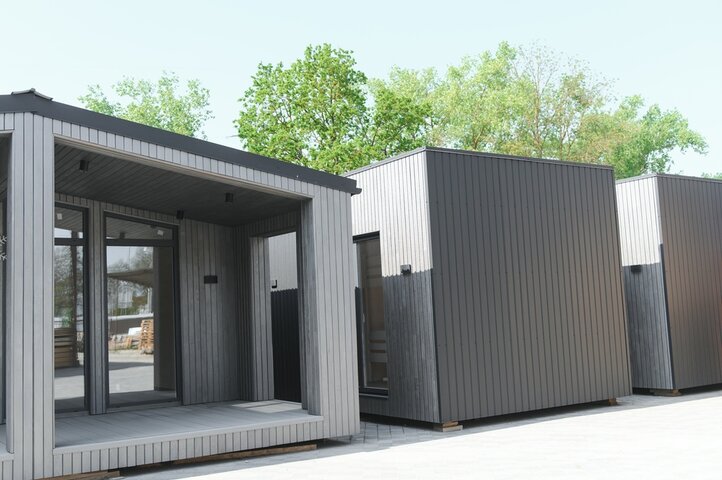
Modular homes offer an interesting approach. Built using a modular building process, these homes can combine efficient design, modern construction techniques, and energy-conscious technologies to create comfortable living spaces with the potential to reduce energy consumption.
What Makes Modular Homes Different?
Modular homes are constructed using individual sections, or modules, that are manufactured in a controlled environment before being transported to the final location and assembled.
This approach differs from traditional construction, where much of the building work takes place outdoors at the property. The controlled manufacturing environment used in modular building can provide greater consistency during certain stages of construction and allow components to be produced according to precise specifications.
Energy efficiency can be considered from the beginning of the design process rather than added as an afterthought.
Improved Insulation and Thermal Performance
One of the most important factors in an energy-efficient home is the building envelope. Good insulation helps reduce unwanted heat loss during colder months and limits excessive heat gain during warmer periods.
Modern modular homes can be designed with high-performance insulation in walls, floors, and roofs. When combined with appropriate windows, doors, and airtight construction, these features can help create a more stable indoor temperature.
Better thermal performance can also reduce the amount of energy required for heating and cooling, depending on the home's location, design, and systems.
Precision in Modular Building
A key feature of modular building is the controlled environment in which many components are manufactured.
Unlike construction that is heavily dependent on changing outdoor conditions, factory-based production can provide a more consistent environment for assembling structural and building components. This can help support quality control and accurate installation.
Careful construction is particularly important for energy efficiency because gaps, poorly fitted components, and inadequate sealing can contribute to unwanted air leakage.
Energy-Efficient Windows and Doors
Windows and doors have a significant impact on the thermal performance of a home. Modern modular homes can incorporate energy-efficient glazing, insulated frames, and well-sealed doors as part of the overall design.
Large windows can also be positioned to make better use of natural daylight. Depending on the home's orientation and climate, thoughtful window placement can potentially reduce the need for artificial lighting while supporting passive solar heating.
However, excessive glazing can also increase heat gain, so window design needs to be considered alongside shading, orientation, insulation, and ventilation.
Efficient Heating and Cooling Systems
Energy-efficient heating and cooling technologies can be integrated into modular homes during the design stage.
Depending on the location and project requirements, options may include:
- Heat pumps
- Underfloor heating
- High-efficiency heating systems
- Mechanical ventilation with heat recovery
- Smart thermostats
- Zoned temperature controls
Integrating these systems during construction can make it easier to coordinate services with the building's structure and layout.
Smart Home Technology
Technology can play an important role in reducing unnecessary energy use.
Smart thermostats, automated lighting, occupancy sensors, and energy-monitoring systems can help homeowners understand how energy is being used and adjust consumption accordingly.
A modular home can be designed with these technologies in mind from the beginning, creating opportunities to integrate electrical systems, controls, and sensors into the overall building design.
Solar Energy and Renewable Technologies
Another potential advantage of modern modular homes is the ability to incorporate renewable energy technologies.
Solar photovoltaic panels can be installed on suitable roofs to generate electricity, while battery storage can potentially help homeowners use more of the electricity they generate.
The feasibility and benefits of solar energy depend on factors such as roof orientation, local climate, available space, electricity consumption, and local regulations.
When renewable energy is combined with an efficient building envelope and energy-conscious systems, the overall energy performance of a home can be improved.
Reducing Construction Waste
Energy efficiency is only one aspect of sustainable construction. Material efficiency and waste reduction are also important considerations.
The controlled production environment associated with modular building can provide opportunities for more accurate material planning and potentially reduce certain types of on-site waste.
Materials can be measured and prepared before modules are transported to the construction site, which may help improve resource efficiency. The actual environmental impact will depend on the materials selected, transportation requirements, manufacturing processes, and the entire life cycle of the building.
Designing for Long-Term Efficiency
The biggest opportunity offered by modular homes may be the ability to consider energy performance as part of the complete building design.
Instead of treating insulation, heating, windows, ventilation, and renewable energy as separate decisions, designers can consider how these elements work together.
For example, a well-insulated home with efficient windows may require less heating energy. Adding a heat pump can further improve efficiency, while solar panels may help offset electricity consumption.
This integrated approach can help create a home that is comfortable, practical, and designed with long-term energy use in mind.
The Future of Energy-Efficient Modular Homes
As homeowners become more interested in sustainable living, energy-efficient modular homes are likely to attract continued attention.
Advances in materials, insulation, heating technology, renewable energy, and smart-home systems are creating new possibilities for residential construction. Modular building can provide a flexible framework for bringing many of these technologies together.
The result is not simply a faster way of constructing a house. When carefully designed, modular construction can provide an opportunity to rethink how homes are built, operated, and adapted for the future.
Modular homes can support energy-efficient living through a combination of thoughtful design, effective insulation, quality construction, efficient heating and cooling systems, smart technology, and renewable energy options.
While energy performance depends on the specific design, materials, climate, and systems used, the modular building approach provides a strong framework for incorporating energy-conscious features from the earliest stages of a project.
For homeowners looking to combine modern living with lower energy consumption, modular construction offers an approach worth considering.
Modular steel construction combines the strength and durability of steel with the flexibility of modular building, creating efficient and adaptable structures for residential and commercial use. Its precision manufacturing and scalable design can support faster construction, long-term performance, and energy-efficient building solutions.