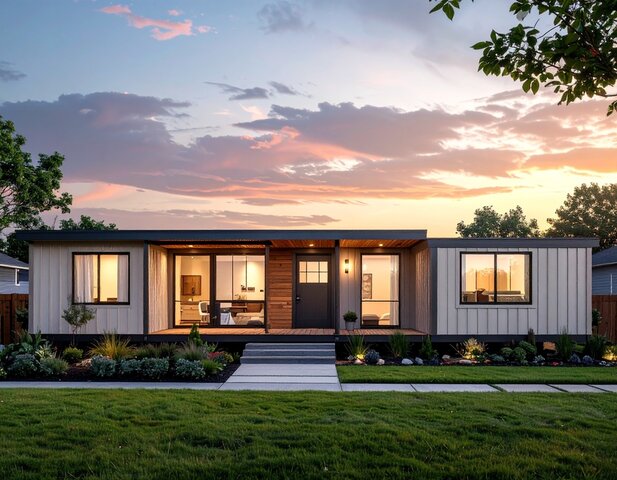
The answer is yes. Modular homes can serve as permanent residences when they are properly designed, constructed, installed, and approved according to local building regulations. Thanks to advancements in modular building technology, these homes can provide the durability, comfort, and functionality of traditional houses.
What Are Modular Homes?
Modular homes are residential buildings constructed in separate sections, known as modules, within a controlled factory environment. Once completed, the modules are transported to the building site and assembled into a finished home.
Unlike temporary structures, modular homes can be specifically designed for permanent residential use. They may include modern kitchens, bathrooms, bedrooms, living areas, and energy-efficient systems.
The modular building process allows manufacturers to produce building components under consistent conditions, helping improve construction efficiency and quality control.
Can Modular Homes Be Used as Permanent Residences?
Yes, modular homes can be used as permanent residences. Their suitability for long-term living depends on several important factors, including structural design, foundations, building materials, insulation, and compliance with local regulations.
A modular home designed for permanent occupancy can offer many of the same features as a conventional house.
1. Strong and Durable Construction
Modern modular homes are built using materials such as structural steel, engineered timber, and high-performance insulation systems.
Depending on the design, these structures can withstand environmental conditions such as wind, rain, snow, and temperature fluctuations.
With appropriate engineering, installation, and maintenance, modular homes can remain functional for decades.
2. Permanent Foundation Options
One of the most important factors in making modular homes suitable for permanent living is the foundation.
Depending on site conditions and structural requirements, modular homes can be installed on concrete slabs, strip foundations, or other engineered foundation systems.
A properly designed foundation provides stability and helps protect the building from ground movement and moisture-related damage.
3. Comfortable Year-Round Living
Modern modular building techniques make it possible to create comfortable homes for different climates.
Features may include:
- High-performance thermal insulation
- Double- or triple-glazed windows
- Efficient heating and cooling systems
- Ventilation and moisture control
- Modern plumbing and electrical installations
These features help modular homes provide comfortable living conditions throughout the year.
How Long Do Modular Homes Last?
The lifespan of modular homes depends on construction quality, materials, environmental exposure, and ongoing maintenance.
Well-designed modular homes built to appropriate residential standards can last for several decades. Some may achieve a service life comparable to conventional houses.
Regular maintenance of roofing, exterior cladding, ventilation systems, and foundations can help extend the building's lifespan.
It is also important to distinguish permanent modular homes from temporary portable cabins, which may have different structural and performance specifications.
Advantages of Modular Homes for Permanent Living
Faster Construction
One of the biggest advantages of modular building is its efficient construction process.
Because much of the work takes place in a factory, site preparation and module manufacturing can often happen simultaneously. This can reduce overall project timelines compared with some traditional construction methods.
Potential Cost Savings
Modular homes may offer cost advantages through standardized manufacturing, efficient material use, and reduced on-site labor.
However, the final price depends on factors such as size, customization, transportation, foundations, site preparation, utility connections, and permits.
Flexible Design Options
Modular homes are available in many layouts and configurations.
Homeowners may choose compact single-module houses, larger multi-module homes, or customized designs that accommodate different lifestyles.
Certain modular systems also allow future expansion, provided the original structure and local regulations support it.
Energy Efficiency
Modern modular building can incorporate efficient insulation, airtight construction, energy-saving windows, and sustainable heating systems.
When properly designed, these features may reduce energy consumption and support lower long-term operating costs.
Quality-Controlled Manufacturing
Factory production provides a controlled environment where construction work can be monitored throughout the manufacturing process.
This can improve consistency and reduce some weather-related delays associated with conventional on-site construction.
Are Modular Homes Better Than Traditional Homes?
Both modular homes and traditionally constructed houses can provide safe, comfortable, and permanent housing.
The best option depends on individual requirements, budget, site conditions, and design preferences.
Modular homes may be particularly attractive to homeowners who value shorter construction schedules, predictable manufacturing processes, and flexible layouts.
Traditional construction may offer advantages for highly unusual architectural designs or sites with difficult transportation and installation access.
Ultimately, the quality of design, materials, engineering, and workmanship matters more than the construction method alone.
Do Modular Homes Need Planning Permission?
In many locations, modular homes intended for permanent residential use require planning permission, building approval, or both.
Requirements depend on local laws, the intended use of the property, the building's dimensions, and the characteristics of the installation site.
Before purchasing a modular home, homeowners should confirm the applicable zoning, foundation, structural, energy-efficiency, and building-code requirements.
A modular home does not automatically qualify for exemption from building regulations simply because it is factory-manufactured.
What Should You Consider Before Buying a Modular Home?
Before investing in modular homes, consider the following:
- Land suitability: Check access, ground conditions, drainage, and available utilities.
- Building regulations: Verify planning and residential construction requirements.
- Construction quality: Review materials, insulation, and structural specifications.
- Total project cost: Include transportation, foundations, installation, permits, and utility connections.
- Manufacturer experience: Choose a supplier with relevant expertise in permanent residential modular building.
- Warranty and maintenance: Understand the manufacturer's warranty and long-term maintenance recommendations.
Careful planning helps ensure that a modular home meets both immediate housing needs and long-term expectations.
Conclusion: Are Modular Homes a Good Permanent Housing Solution?
Yes, modular homes can absolutely be permanent homes. When designed and approved for residential occupancy, they can offer durability, energy efficiency, modern comfort, and flexible living arrangements.
Advancements in modular building have made factory-manufactured housing a practical alternative to conventional construction for many homeowners.
Whether you are considering a compact residential property or a spacious family home, modular homes can provide a reliable long-term housing solution when supported by appropriate engineering, foundations, and maintenance.